
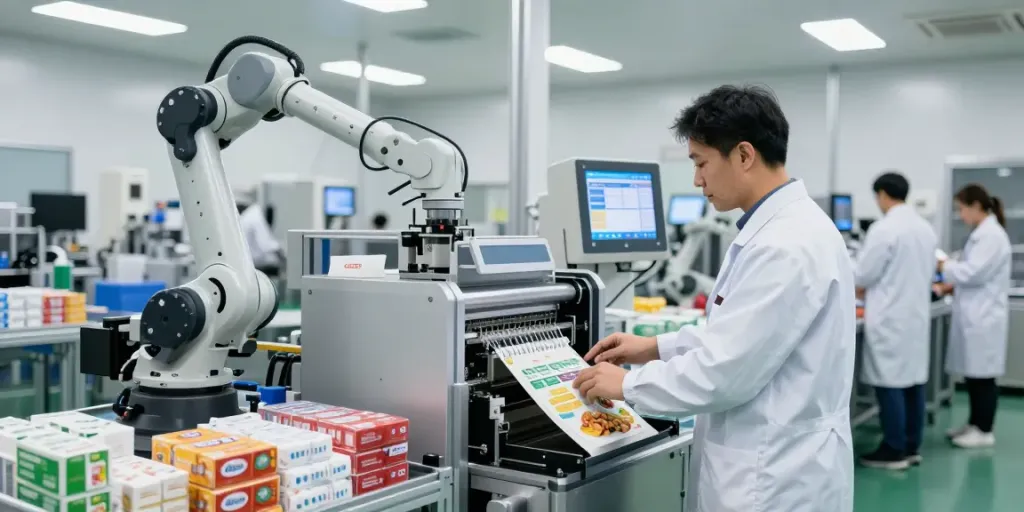
Understanding the Role of Automatic Bagging Machine Manufacturers
The rapid evolution of packaging technology has transformed the way products are handled and presented in various industries. At the forefront of this shift are automatic bagging machine manufacturers, who specialize in creating advanced solutions that streamline packaging processes. These manufacturers cater to businesses looking for efficiency, accuracy, and speed in their packaging lines, ensuring that products are efficiently bagged, sealed, and ready for distribution. With over two decades of experience since 2005, Durzerd stands as a prominent player in this landscape, delivering high-quality automatic bagging machines that meet diverse industry needs.
What is an Automatic Bagging Machine?
An automatic bagging machine is a sophisticated piece of equipment designed to automate the packaging process. It typically comprises various components, including a bag dispenser, filling unit, and sealing mechanism, all controlled by a central system. The primary function is to accurately and efficiently place products into bags, followed by filling and sealing these bags to ensure product integrity. This innovation allows businesses to scale their operations significantly, reducing manual labor and enhancing productivity.
Modern automatic bagging machines are equipped with cutting-edge technology such as sensors and adjustable settings, allowing them to handle a wide range of products. From dry goods to liquids and powders, these machines are versatile and can be adjusted to accommodate different bag sizes and sealing methods. This adaptability is crucial for industries like food production, pharmaceuticals, and consumer goods, where standards and regulations are stringent.
Benefits of Using Automated Bagging Solutions
The benefits of implementing automatic bagging solutions are manifold:
- Increased Efficiency: Automated systems dramatically reduce the time involved in packaging, allowing businesses to handle a higher volume of products with minimal downtime.
- Consistency and Accuracy: With automated machines, the risk of human error is significantly minimized, ensuring that each bag is filled to the correct specifications.
- Cost Savings: Reducing manual labor reduces operational costs and contributes to a faster return on investment (ROI).
- Customizable Operations: Many machines offer programmable settings, empowering businesses to switch between product types and bag sizes easily.
- Enhanced Safety: Automatic systems can improve workplace safety by reducing the need for workers to perform repetitive and physically demanding tasks.
Key Manufacturers in the Industry
The market is populated with numerous automatic bagging machine manufacturers, each bringing unique innovations and capabilities to their products. Companies such as Audion, Crown Packaging, Concetti, and Pregis focus on developing reliable and efficient bagging technologies. These manufacturers not only provide machines but also extensive support services to ensure that businesses maximize their production capabilities.
Durzerd, in particular, has established itself as a key player by specializing in open-mouth bagging machines and Form Fill Seal (FFS) systems. Their commitment to quality and technological advancement positions them as a go-to provider for industries looking to enhance their packaging processes.
Choosing the Right Automatic Bagging Machine for Your Business
Factors to Consider in Selection
When it comes to selecting an automatic bagging machine, several factors must be taken into account:
- Product Type: Different machines are designed to handle specific types of products—whether dry, liquid, or powder. Understanding your product’s needs is crucial.
- Bag Size and Material: Consider the types of bags that will be used. The machine should be compatible with your preferred bag size and material for optimal efficiency.
- Production Volume: Assess the volume of products needing packaging to determine the speed and capacity required from the machine.
- Space Requirements: Evaluate the available space in your production facility to ensure the machine fits within your operational layout.
- Budget: Balance your investment with the expected ROI. It’s essential to choose a reliable machine within your budget while ensuring quality and performance.
Common Applications Across Industries
Automatic bagging machines serve a wide array of industries, including:
- Food Industry: Packaging snack foods, grains, and frozen products.
- Pharmaceuticals: Ensuring precise bagging of pills, powders, and dosing medications.
- Consumer Goods: Packaging household products, cosmetics, and personal care items.
- Pet Food: Bagging dry pet foods efficiently and accurately.
Customizable Features to Enhance Productivity
Many modern automatic bagging machines come equipped with customizable features that can significantly enhance productivity and efficiency:
- Programmable Settings: Adjusting speed, bag size, and fill levels depending on production needs.
- Integration with Existing Systems: Many machines can integrate seamlessly with existing production lines, optimizing workflow.
- Maintenance Alerts: Notifications to perform regular maintenance, reducing downtime and increasing machine longevity.
- User-Friendly Interfaces: Simplified controls that make operation easier for employees and reduce training time.
Best Practices for Implementation and Operation
Setting Up Your Packing Lines Efficiently
Optimal setup of your packaging lines is essential for achieving maximum efficiency. Here are some best practices:
- Conduct a thorough analysis of your current workflow to identify bottlenecks.
- Ensure the layout allows for smooth transitions between steps of the packaging process.
- Utilize conveyor systems to transport products seamlessly between different stages of packaging.
- Prioritize ergonomics and safety in the design of the workspace.
Employee Training for Optimal Use
Training employees on the new bagging machines is crucial for their efficacy. Key strategies include:
- Providing hands-on training sessions to familiarize employees with machine operations.
- Incorporating troubleshooting techniques to empower workers to address common issues independently.
- Regular refresher courses to keep all users updated on best practices and machine capabilities.
Maintenance Tips to Ensure Longevity
Maintaining your automatic bagging machine is fundamental for sustaining its performance. Consider these tips:
- Implement a schedule for regular cleaning and inspections to prevent buildup and wear.
- Monitor for unusual noises or operational changes that may indicate a need for servicing.
- Keep an inventory of spare parts to minimize downtime during repairs.
Measuring Success with Automated Solutions
Key Performance Indicators for Bagging Efficiency
To gauge the effectiveness of your automatic bagging solution, track these key performance indicators (KPIs):
- Production Speed: Measure the number of bags filled per hour to assess efficiency.
- Downtime: Monitor machine downtime due to maintenance or malfunctions.
- Error Rate: Calculate the percentage of bags that require reworking due to errors in filling or sealing.
Reducing Errors and Waste in Packaging
Implementing automation can significantly decrease errors and waste. Insights include:
- Automated systems ensure consistent fills, reducing the likelihood of over-filling or under-filling.
- Minimized human error translates to fewer defective products that require repackaging.
- Waste reduction can lead to savings in raw materials and cost efficiency over time.
Case Studies: Companies that Succeeded with Automation
Examine successful implementations of automatic bagging machines in real-world applications:
- Case Study 1: A medium-sized snack food company introduced an automatic bagging machine, resulting in a 30% increase in production speed and a significant reduction in labor costs.
- Case Study 2: A pharmaceutical firm optimized its packaging lines with automated bagging solutions and reported a 50% decrease in packaging errors, ensuring compliance with regulatory standards.
Future Trends in Automatic Bagging Technology
Innovations Shaping the Industry by 2026
The automatic bagging industry is poised for several innovations in the coming years:
- Smart Technology: Integration of IoT (Internet of Things) will enable real-time monitoring and adjustments of bagging processes.
- Advanced Robotics: The incorporation of robotics will further automate complex tasks, enhancing speed and efficiency.
- Sustainability Focus: New materials and processes will emerge that prioritize environmental sustainability, aligning with global trends of reducing plastic use.
The Impact of E-commerce on Packaging Solutions
The surge in e-commerce has dramatically altered packaging needs. Businesses are increasingly looking for customizable solutions that cater to swift order fulfillment and varied product types. Consequently, automatic bagging machines that can adapt to these demands will see significant growth in demand.
Emerging Technologies and Sustainability in Packaging
As industries pivot toward sustainable practices, automatic bagging machine manufacturers will innovate to include recyclable materials and energy-efficient designs. Expect to see advancements that facilitate eco-friendly packaging while maintaining efficiency and cost-effectiveness.