Understanding Custom Water Treatment Equipment
In an era where environmental sustainability is paramount, the demand for Custom Water Treatment Equipment has surged across various industries. These systems are tailored to meet specific operational needs while adhering to stringent regulatory standards. Custom water treatment solutions are not just about providing clean water; they're about optimizing processes, reducing waste, and enhancing overall efficiency. This article explores the components, technologies, and industries that benefit from these innovative systems.
What is Custom Water Treatment Equipment?
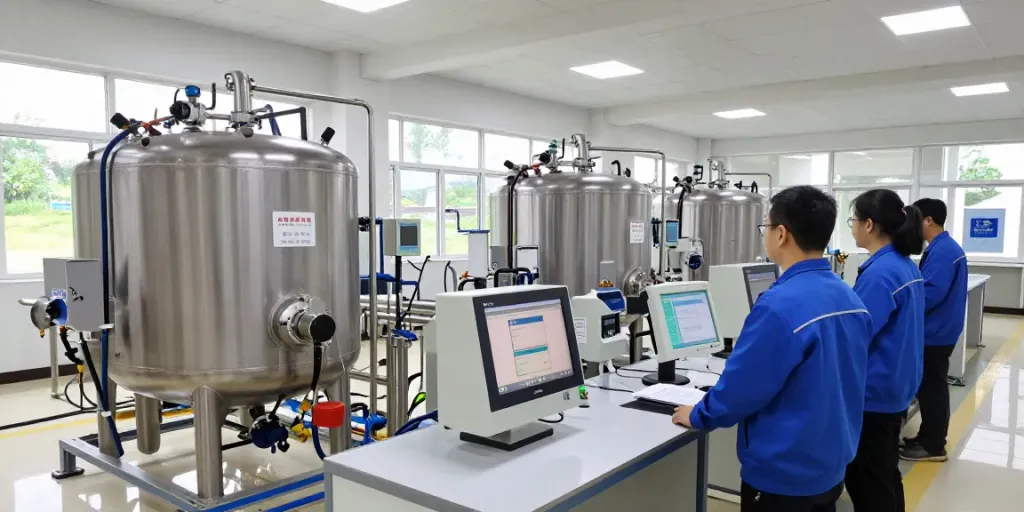
Custom water treatment equipment refers to specialized systems engineered to treat water in a way that meets unique operational requirements of businesses. Unlike standard water treatment solutions, which may not address all the specific needs of a facility, custom systems are designed based on comprehensive assessments of water quality, usage patterns, and the particular challenges facing the industry. These tailored solutions can include a variety of filtration, disinfection, and chemical dosing technologies to ensure optimal performance.
Components and Technologies Involved
At the heart of custom water treatment equipment are several key components that enhance the effectiveness of the system. These may include:
- Filtration Systems: Advanced filtration technologies such as membrane filtration, reverse osmosis, and carbon filtration remove contaminants and improve water quality.
- Disinfection Systems: UV light and chemical dosing systems are critical for ensuring microbiological safety by eliminating pathogens.
- Integrated Control Systems: Smart control systems monitor water quality in real time, adjusting treatment parameters automatically to ensure compliance with regulatory standards.
- Modular Design: Modular systems allow for scalability and flexibility, enabling easy expansion or adaptation to different water treatment requirements.
Industries Benefiting from Custom Solutions
Custom water treatment equipment serves a diverse range of industries, including:
- Chemical Manufacturing: Tailored systems address complex water treatment needs in chemical processes, ensuring compliance with environmental regulations.
- Food and Beverage: Custom solutions ensure the purity and safety of water used in food production, while also addressing specific quality requirements.
- Textile and Dyeing: These industries require specialized water treatment for dyeing processes, focusing on removing color and contaminants effectively.
- Municipal Systems: Custom solutions are essential for municipal wastewater treatment, ensuring that treated water meets health and environmental standards.
Key Applications of Modular Water Treatment Systems
Containerized Water Treatment Systems Explained
Containerized water treatment systems offer a highly flexible solution for water treatment needs, especially in remote or temporary locations. These systems are prefabricated and housed in standardized shipping containers, facilitating easy transport and installation. Containerized solutions can be rapidly deployed for emergency water supply, disaster relief, or in areas lacking permanent infrastructure. Their modular nature allows for quick scaling, accommodating various treatment capacities based on situational needs.
Integrated Chemical Process Systems in Industry
Integrated chemical process systems are revolutionary in their approach to industrial water treatment. By utilizing advanced technology for continuous and precise chemical dosing, these systems optimize chemical usage, ensuring that industries can maintain compliance without excessive costs or waste. This approach not only enhances the safety of chemical handling but also improves overall process efficiency, making it a staple in many modern industries.
Case Studies: Success Stories in Environmental Protection
Real-world examples illustrate the efficacy of custom water treatment equipment. A notable case involved a textile manufacturer facing stringent dye discharge regulations. By implementing a custom-designed water treatment solution that included advanced filtration and chemical treatment, the facility was able to significantly reduce harmful effluents, bringing them well below compliance thresholds while also cutting operational costs.
Why Choose QILEE as Your Partner?
Commitment to Quality and Innovation
When it comes to selecting a partner for your custom water treatment equipment needs, QILEE stands out due to its unwavering commitment to quality and innovation. With years of experience in environmental protection solutions, QILEE utilizes cutting-edge technologies and methodologies to ensure that their systems not only meet but exceed industry standards.
Expertise in Customized Solutions for Various Sectors
QILEE’s team of experts understands the unique demands of various industries, from chemical processing to municipal water treatment. This expertise enables them to deliver solutions that are not only effective but also tailored to the operational nuances of each sector.
Client Testimonials and Feedback Analysis
The success of QILEE’s custom water treatment systems is reflected in positive client feedback. Many businesses have reported significant improvements in operational efficiency, compliance rates, and overall cost savings. Testimonials emphasize QILEE's responsiveness and ability to adapt solutions based on evolving customer needs.
Overcoming Challenges with Water Treatment Equipment
Common Misconceptions About Custom Systems
A frequent misconception is that custom systems are prohibitively expensive and only viable for large-scale operations. However, modern technologies and modular designs have made these solutions accessible to businesses of all sizes, providing significant long-term cost savings through efficiency and compliance.
Addressing Cost and Efficiency Concerns
While the initial investment in custom water treatment equipment may be higher, it is essential to consider life-cycle costs. Over time, savings generated from reduced waste, improved efficiency, and lower energy consumption can offset upfront costs, making custom systems a financially sound decision.
Real-world Implementation Challenges and Solutions
Implementing custom water treatment systems can present challenges, particularly in integration with existing equipment and infrastructure. QILEE addresses these challenges through comprehensive site assessments and collaboration with clients to develop tailored installation plans that minimize disruption and maximize efficiency.
The Future of Water Treatment Technologies in 2026
Emerging Trends in Water Treatment Equipment
The landscape of water treatment technology is rapidly evolving. By 2026, we can expect to see significant advancements in AI and IoT integration, leading to even smarter and more responsive water treatment systems. These innovations will allow for real-time monitoring and predictive analytics, enabling businesses to preemptively address potential issues before they disrupt operations.
Adapting to Regulatory Changes and Environmental Standards
As environmental regulations continue to tighten globally, the importance of staying compliant is paramount. Custom water treatment solutions will increasingly focus on flexibility and adaptability, ensuring that businesses can quickly adjust to new guidelines without overhauling their entire systems.
Preparing for a Sustainable Future in Water Management
The future of water management is sustainable. Companies that invest in custom water treatment solutions today will position themselves as leaders in environmental stewardship, capable of achieving their operational goals while minimizing their ecological footprint.
Can I install my own water treatment system?
While some may consider DIY installations, it is crucial to emphasize that water treatment systems often require specialized knowledge to ensure they operate effectively and comply with safety regulations. Engaging with a professional supplier like QILEE is advisable to ensure system integrity and compliance.
How much should a water treatment system cost?
The cost of a water treatment system can vary widely based on the type, scale, and technology involved. Custom solutions tend to be more expensive initially; however, they often lead to cost savings over time through efficiency gains and reduced compliance issues.
Is the water purification business profitable?
Indeed, the water purification business can be highly profitable, especially as global demand for clean water rises. Businesses investing in custom solutions that enhance efficiency and compliance often report higher margins and greater customer satisfaction.