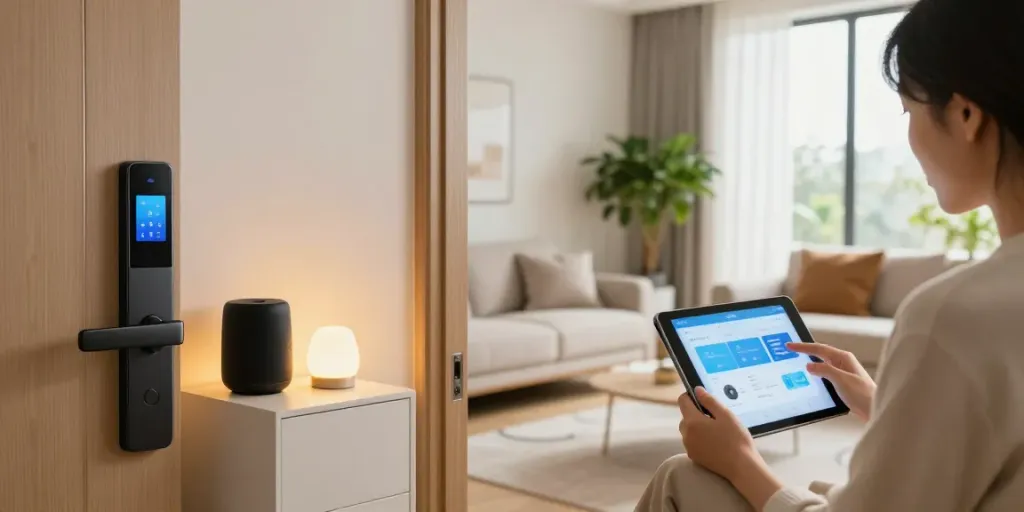
Understanding Smart Home Technology
As technology continues to advance at an unprecedented rate, the concept of a smart home has shifted from an intriguing idea to a practical reality for many households around the globe. A smart home utilizes internet-connected devices to enable remote management and monitoring of systems and appliances, creating a more efficient living environment. This integration of technology allows homeowners to enhance comfort, security, and energy savings. When exploring options, خانه هوشمند جهان اسمارت provides comprehensive insights into various smart home solutions tailored to individual needs.
What is a Smart Home?
A smart home is equipped with devices that can be controlled remotely via a smartphone, tablet, or computer. These devices include everything from lighting, heating, and cooling systems, to security cameras and smoke detectors. The goal is to provide convenience, improve energy efficiency, and enhance the overall quality of life. Home automation systems connect and manage these devices seamlessly, allowing homeowners to set schedules, automate tasks, and receive alerts in real-time.
Benefits of خانه هوشمند جهان اسمارت Solutions
The advantages of adopting smart home technology from خانه هوشمند جهان اسمارت include:
- Enhanced Security: Smart security systems can notify homeowners of any unusual activity, provide remote surveillance, and control door locks from anywhere.
- Energy Efficiency: Devices such as smart thermostats and lighting systems can significantly reduce energy consumption by optimizing usage based on household patterns.
- Convenience: Automating everyday tasks such as adjusting the thermostat or turning off lights can save time and effort.
- Increased Property Value: Homes equipped with smart technology can attract potential buyers, making them more appealing in the real estate market.
- Improved Comfort: Customize home environments to suit personal preferences, such as adjusting lighting and temperature with a simple command.
Types of Smart Devices Available
The market is flooded with a variety of smart devices, each serving unique functions. Some popular categories include:
- Smart Lighting: Control the brightness and color of lights remotely or set schedules for automatic adjustments.
- Smart Thermostats: Learn user habits and adjust temperatures automatically for optimal comfort and energy savings.
- Smart Locks: Provide keyless entry and remote locking mechanisms, enhancing home security.
- Smart Appliances: From refrigerators to washing machines, smart appliances can be monitored and controlled via smartphone apps.
- Smart Speakers: Acts as a hub for other smart devices, allowing voice-activated controls and providing entertainment options.
How to Choose the Right Smart Home Devices
Investing in smart home technology is an exciting prospect, but it's crucial to choose the right devices that fit your lifestyle and budget. Here are several factors to consider before making a purchase.
Assessing Your Needs and Budget
Before diving into the smart home market, assess your specific needs. Consider the aspects of your home you want to automate or improve. For instance, is security a top priority for you? Or are you looking to enhance energy efficiency? Furthermore, establish a budget that balances your desires with the realities of your finances. Start small, with a few essential devices, and expand as you become accustomed to the technology.
Popular Brands and Products
Numerous brands offer quality smart home devices, each with their unique features. Some of the top names in the industry include:
- Amazon Echo: Known for its smart speakers and integration with various home devices.
- Google Nest: Offers a range of smart thermostats and security equipment.
- Philips Hue: A leader in smart lighting solutions.
- August Smart Locks: Providers of convenient and secure keyless entry systems.
- Samsung SmartThings: A comprehensive home automation system that connects various smart devices.
Integration and Compatibility Considerations
When selecting smart devices, ensure they are compatible with one another. Look for platforms that support a wide range of devices and adhere to common standards such as Zigbee or Z-Wave. This compatibility will allow for seamless integration and centralized control through a single application or hub.
Implementing Your Smart Home System
Setting up a smart home system can seem intimidating, but with a structured approach, it becomes manageable. Here’s how to implement your system effectively.
Step-by-Step Installation Guide
1. Plan Your Setup: Identify where you want to place devices and how they will connect to your home network.
2. Install Devices: Follow manufacturer instructions for installing hardware. Most devices are designed for straightforward installation, often requiring just a smartphone app.
3. Connect to Your Network: Ensure all devices are connected to the same Wi-Fi network for optimal functionality.
4. Configure Settings: Customize each device’s settings according to your preferences, including schedules and automation rules.
5. Test Functionality: Test everything to ensure devices respond correctly to commands and operate as expected.
Common Challenges in Smart Home Setup
While setting up your smart home system, you may encounter some challenges, such as:
- Connectivity Issues: Ensure your Wi-Fi network is robust enough to accommodate all devices without lag.
- Compatibility Problems: Double-check that all devices can communicate with each other.
- Maintenance Requirements: Regularly update device firmware to improve performance and security.
Best Practices for Security and Maintenance
To ensure your smart home remains secure and functions optimally, follow these best practices:
- Change Default Passwords: Always modify default usernames and passwords to enhance security.
- Enable Two-Factor Authentication: Use this added security layer wherever possible.
- Regularly Update Firmware: Keep devices updated to protect against vulnerabilities.
- Monitor for Unusual Activity: Regularly check system logs for any unknown access.
Real-Life Applications of Smart Home Technology
Understanding how smart home technology operates in real-world scenarios can provide invaluable insights for potential users.
Case Studies of Successful Smart Home Installations
Various families and businesses have transitioned to smart home technologies with notable success. For instance, a family might utilize smart lighting and thermostats to reduce their energy bill significantly, while a small business can enhance security with smart locks and surveillance cameras.
Smart Homes in Different Settings: Residential vs Commercial
While the majority of smart home discussions revolve around residential applications, commercial settings stand to benefit significantly as well. Offices can utilize smart technology for energy management, security, and streamlined operations, leading to substantial cost savings and increased productivity.
Future Trends in Smart Home Living
The smart home industry is evolving rapidly, with exciting trends emerging. Some anticipated developments include:
- AI Integration: Enhanced artificial intelligence capabilities will allow for smarter automation and predictive maintenance.
- Voice Control Evolution: As voice recognition technology improves, users will find it more intuitive to interact with their devices.
- Sustainability Focus: More devices will prioritize energy efficiency and sustainability, appealing to environmentally conscious consumers.
- Increased Interoperability: A greater push towards universal standards will lead to better integration across devices and platforms.
Frequently Asked Questions
What is the cost of a smart home setup?
The cost of setting up a smart home varies widely based on the number and type of devices you choose. A basic system can start from a few hundred dollars, while comprehensive solutions can run into thousands. It’s essential to establish a budget and prioritize your needs when planning.
How secure are smart home devices?
Smart home devices can be secure if proper precautions are taken, such as using strong passwords and keeping firmware updated. However, vulnerabilities can exist, making it crucial to stay informed about potential threats and maintain good security practices.
Can I integrate my existing devices into a smart home system?
Many smart home systems allow for the integration of existing devices, especially if they support common protocols. Check compatibility before investing in new technology.
What are the best devices for smart home beginners?
For those new to smart home technology, starting with a smart speaker, smart bulbs, and a smart thermostat can be beneficial. These devices are user-friendly and provide a solid foundation for expanding your system later.
How do I troubleshoot smart home issues?
If you experience problems with your smart home devices, start by rebooting them and checking your internet connection. Refer to the manufacturer’s support resources for specific troubleshooting advice.