Understanding AI Infrastructure: The Core Components
As we venture deeper into the realm of artificial intelligence (AI), understanding the underlying structures that support its growth becomes essential. The AI infrastructure encompasses the hardware and software frameworks that enable the development, deployment, and management of AI applications. This infrastructure is not merely a collection of tools and technologies; it forms the backbone of the entire AI ecosystem, facilitating everything from data handling to computational power. When exploring options, AI infrastructure provides comprehensive insights into how these elements synergistically contribute to the AI token economy.
What is AI Infrastructure?
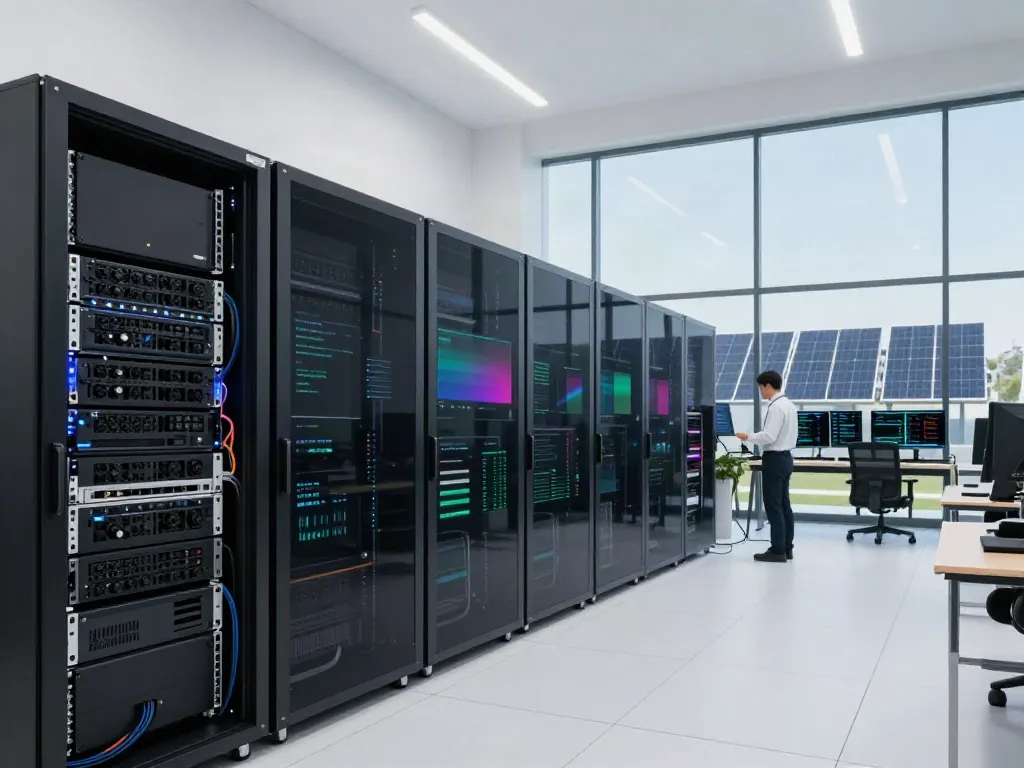
AI infrastructure refers to the aggregation of resources, including hardware such as servers, GPUs, and networking equipment, as well as software tools that facilitate AI operations. This infrastructure is critical as it determines the efficiency and scalability of AI applications. An effective AI infrastructure must support high computational workloads, ensuring that tasks like training machine learning models and running large datasets are executed seamlessly.
Key Technologies in AI Infrastructure
At the core of AI infrastructure are several key technologies that enable the processing and analysis of vast amounts of data:
- Graphics Processing Units (GPUs): Central for accelerating the training of AI models, allowing for rapid computation.
- Data Storage Solutions: High-speed storage systems that ensure quick access to data, critical for performance.
- Networking Equipment: Robust networking solutions that facilitate data transfer between various components efficiently.
- Cloud Services: Provide flexible computing power, enabling scalability and cost-efficiency in operations.
Importance of GPU and Computing Resources
GPUs are particularly significant in AI infrastructure due to their parallel processing capabilities, which are essential for handling complex computations required in AI tasks. This processing power enables quicker model training and inference, accelerating the deployment of AI systems in real-world applications. The combination of sufficient computing resources and optimized infrastructure design can drastically enhance the performance and reliability of AI solutions.
Participation in the AI Token Economy
The AI token economy represents a novel approach to monetizing AI infrastructure through the use of AI tokens, which measure the usage of AI resources. Participating in this economy not only provides financial incentives but also fosters innovation in AI technologies and applications.
How to Contribute to AI Infrastructure
Individuals and organizations can contribute to the AI infrastructure by participating in power plans that support the operational needs of AI factories. By selecting appropriate power plans, participants can support electricity and compute resources, which directly correlates with the efficiency of AI models and operations.
Understanding AI Tokens and Their Value
AI tokens are not cryptocurrencies; rather, they serve as a metric for measuring the consumption of AI resources. Each AI task is broken down into input tokens, processed, and then returned as output tokens. This tokenization helps in tracking usage and aligning rewards based on performance and actual contributions.
Your Role as a Contributor
As a contributor to the AI infrastructure, your role is crucial. By choosing a power plan, you actively participate in powering the AI workflows that drive the token economy. This enables you to earn rewards based on your contribution to the infrastructure's operational efficiency and success.
Building Sustainable Power Plans for AI Operations
Establishing sustainable power plans is critical for the long-term success of AI operations. These plans ensure that the energy and computing needs of AI models are met consistently, enabling reliable service delivery.
Types of Power Plans Available
There are several types of power plans you can choose from, depending on your capacity and operational needs:
- Core Power Access: Basic access to AI services with a focus on essential operations.
- Enhanced Power Access: Provides additional power support for increased demand.
- Advanced Power Access: A premium plan that maximizes efficiency and scale for intensive workloads.
How Power Allocations Impact AI Workloads
Power allocations are vital for AI workloads as they directly influence performance and speed. Insufficient power can lead to bottlenecks, while optimal allocations ensure smooth operations and scalability, supporting the growing demands of AI technologies.
Optimal Strategies for Power Management
Implementing effective power management strategies involves:
- Monitoring energy consumption patterns to optimize resource allocation.
- Adjusting power supply based on workload demands to reduce costs.
- Investing in energy-efficient technologies to minimize environmental impact.
A Comprehensive Guide to Contribution Rewards
Understanding the contribution rewards associated with your participation is essential for maximizing your investment in the AI token economy.
Calculating Your Rewards
Your rewards are calculated based on the amount of power you contribute relative to the operational performance of the AI factory. This ensures that contributions are recognized and rewarded equitably.
Understanding Settlement Periods
Settlement periods are defined time frames in which contributions are calculated. Understanding this timeline allows participants to better anticipate their rewards and make informed decisions about their contributions.
Best Practices for Maximizing Contributions
To maximize your contributions, consider these best practices:
- Select a power plan that aligns with your capacity to support AI workloads.
- Stay informed about operational efficiencies and technologies that enhance AI performance.
- Engage with the community to share insights and learn from others.
The Future of AI Infrastructure in 2026 and Beyond
The future of AI infrastructure is poised for significant growth and transformation, driven by advancements in technology and increasing demand for AI applications.
Emerging Trends in AI Infrastructure
Key trends to watch include:
- Increased reliance on renewable energy sources for powering AI operations.
- Advancements in edge computing to enhance data processing capabilities.
- Integration of AI infrastructure with IoT devices for a more connected ecosystem.
Challenges and Opportunities Ahead
While the potential for growth is substantial, challenges such as energy costs, regulatory requirements, and technological obsolescence must be addressed. Organizations that can navigate these challenges will be well-positioned for success.
Preparing for the Next Wave of AI Technology
To prepare for the next wave of AI technology, stakeholders should focus on:
- Investing in scalable infrastructure that can adapt to future demands.
- Training personnel to handle the complexities of new AI tools and technologies.
- Collaborating across industries to drive innovation and share resources.
What is AI infrastructure?
AI infrastructure is the backbone of AI applications, encompassing the necessary hardware and software components that facilitate AI operations. It includes servers, GPUs, data storage, and networking equipment.
What are the benefits of contributing to AI infrastructure?
Contributing to AI infrastructure allows individuals and organizations to earn rewards while supporting the development of AI technologies. It enhances collaboration within the AI community and drives innovation.
How do AI contribution rewards work?
AI contribution rewards are calculated based on the power and resources provided to AI factories. These rewards reflect operational performance and the impact of each participant's contributions.
Who can participate in the AI infrastructure economy?
Participation in the AI infrastructure economy is open to individuals and organizations willing to contribute power and resources to support AI operations. Eligibility may vary based on local regulations.
How is electricity utilized in AI services?
Electricity is essential for powering the GPU infrastructure that processes AI workloads. Each task requires a significant amount of power, and effective management of this energy consumption is critical for operational success.