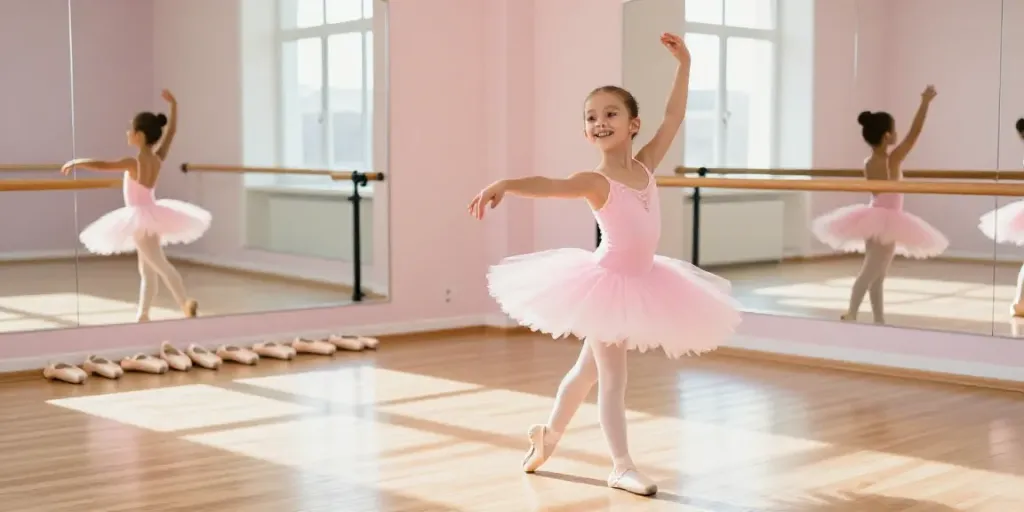
Understanding the Different Types of Tutus
Tutus are more than just a staple in ballet; they are a versatile garment that comes in various styles, each tailored to enhance both performance and presentation. Choosing the right tutu is crucial for any young dancer, as it affects not only their appearance but also their comfort and mobility on stage. Whether you are browsing for options for your budding ballerina or a seasoned performer, tutu-store.com provides a range of options to fit every need and preference.
Classic Tutu Styles and Their Features
When we look at classic tutu styles, the primary designs include the classical tutu, the romantic tutu, and the contemporary tutu. Each of these styles has unique features that cater to different types of performances.
- Classical Tutu: Known for its stiff, horizontal layers, this style is often associated with traditional ballet. The classical tutu allows for extensive movement, making it ideal for athletic performances.
- Romantic Tutu: This design features a longer, softer skirt and is typically made from lighter fabrics. The romantic tutu is favored in performances that require a gentler and more fluid aesthetic.
- Contemporary Tutu: Blending elements of both classical and romantic styles, contemporary tutus often incorporate a variety of fabrics and designs. This versatility allows dancers to express themselves while staying true to modern dance interpretations.
How to Select the Right Fabric for Your Tutu
The choice of fabric can significantly affect both the appearance and functionality of a tutu. Common materials used in tutu construction include tulle, organza, and chiffon. Tulle is known for its structure and volume, while chiffon offers a soft drape. It's important to consider the type of performance when selecting the fabric, as each material lends itself to different styles and comfort levels.
Choosing Colors that Match Your Dancer's Personality
Color plays a vital role in the emotional expression of dance. When selecting a tutu, consider the dancer’s personality and the message they want to convey. Brighter colors like red and yellow can express energy and enthusiasm, while pastel shades can evoke a sense of grace and delicacy. In many cases, matching the tutu's color with the dancer's favorite hues can boost their confidence on stage.
Measuring for the Perfect Fit
Getting the right fit is just as important as selecting the right style. An ill-fitting tutu can hinder performance and make a dancer feel uncomfortable. Accurate measurements should be taken to ensure that the tutu fits perfectly, allowing for seamless movement during performances.
Essential Measurements for Tutu Sizing
To achieve the perfect fit for a tutu, several key measurements need to be taken:
- Waist Measurement: Measure around the narrowest part of the waist.
- Hip Measurement: Measure around the widest part of the hips.
- Skirt Length: Consider how long you want the tutu to be; this can vary based on the style and fabric.
Common Fit Issues and How to Avoid Them
Common fit issues include overly tight waists or skirts that are too long. To avoid these problems, always refer to size charts and consider trying on various styles before making a purchase. Additionally, adjustable waistbands can provide flexibility as dancers grow.
How to Handle Custom Tutu Orders
For those needing a specific design or fit, custom tutu orders are an excellent option. When placing a custom order, be sure to provide accurate measurements and detailed descriptions of desired features. Many suppliers, including tutu-store.com, offer customization options that can accommodate unique requests for design and fit.
Care and Maintenance of Your Tutu
To maintain the beauty and functionality of a tutu, proper care and storage are essential. With the right techniques, you can ensure your tutu lasts throughout numerous performances.
Washing Techniques for Delicate Fabrics
Most tutus are made of delicate fabrics that require careful handling. Hand-washing with a gentle detergent is typically recommended. Avoid using bleach or fabric softeners, as they can damage the fibers. Always check the care label for specific instructions.
How to Store Tutus to Maintain Their Shape
Storing a tutu correctly is crucial for preserving its shape. It is best to hang tutus in a garment bag or on a padded hanger. Avoid folding them, as this can cause creases that are difficult to remove.
Repairing Common Tutu Damage
Over time, your tutu may experience minor damages such as loose threads or small tears. It's important to know how to perform basic repairs. Lightweight fabrics can often be stitched back together easily, while more severe damage might require professional mending.
Dress Code and Performance Guidelines
Understanding the dress code and performance guidelines set by dance schools is essential for any dancer. These guidelines often dictate what type of tutu is appropriate for specific performances.
Understanding Dance School Requirements
Many dance schools have specific requirements regarding the colors and styles of tutus that students must wear for performances. Familiarizing yourself with these requirements can avoid last-minute shopping dilemmas.
Accessorizing Your Tutu for Performance
Accessories can elevate a tutu from standard to spectacular. Consider using items like matching headpieces, gloves, or ribbons to create a complete look. Accessories should complement the tutu without overwhelming it, enhancing the overall aesthetic.
Seasonal Trends in Dancewear for 2026
As we move into 2026, certain trends are beginning to emerge in dancewear, including innovative fabric choices and vibrant color palettes. Expect to see eco-friendly materials and more customization options. Ballet and dance stores will begin to integrate more technology into fabrics, providing added comfort and flexibility for dancers.
Inspiring Young Dancers
A tutu is not merely a costume; it is a tool that can inspire confidence and creativity in young dancers. Selecting the right tutu can make a world of difference in a dancer’s journey.
The Importance of Choosing the Right Tutu
Choosing the right tutu can significantly impact a dancer's confidence level. A tutu that fits well and looks beautiful can motivate a dancer to practice harder and feel more connected to their performance.
How the Right Tutu Boosts Confidence
A well-fitted tutu enhances a dancer’s confidence, making them feel empowered on stage. The right tutu can also help them express their individual personality through unique designs and colors.
Real Dancer Stories: Finding the Perfect Tutu
Many dancers have their unique stories regarding their journey to find the perfect tutu. It’s not uncommon for a dancer to recount the importance of that special tutu for a performance or competition, infusing their experience with memories and emotions.
What Should You Look for When Buying a Tutu?
When shopping for a tutu, focus on factors such as fabric, fit, and style. Understanding the purpose of the tutu—whether it’s for a performance, competition, or casual practice—will guide your decision. Consider seeking advice from instructors or experienced dancers.
How to Accessorize a Tutu for a Complete Look?
Accessorizing a tutu isn't just about adding flair; it’s about creating a cohesive look that enhances the dance. Items like shoe choices, headbands, and even makeup can help tie an entire performance together.
What Common Mistakes to Avoid When Choosing a Tutu?
Some common mistakes include choosing a tutu that is too big or too small, ignoring the requirements of the performance, or selecting materials that are unsuitable for the type of dance. Always prioritize fit and comfort, as these factors directly affect performance quality.
What Trends are Emerging in Tutu Design for 2026?
As we look forward to 2026, expect to see more emphasis on sustainable materials, bold color choices, and multifunctional designs that allow dancers to transition seamlessly from practice to performance. These trends will cater to the growing demand for individuality while maintaining functionality.